Industrial refrigeration service
Diagnosis, maintenance and intervention planning for refrigeration systems, process cooling and controlled storage.
Explore industrial refrigeration service
IVE Refrigeration provides industrial refrigeration service, HVAC-R service, maintenance, automation and technical evaluations for systems that need to stay predictable in operation. The focus is on correct diagnosis, clear communication and realistic next steps.
The work usually starts from a real operating issue: unstable temperature, repeated alarms, humidity drift, excessive energy use, unexplained noise or a system that has grown without a clear control strategy. At the same time, design review and integration still matter whenever the real challenge is not just the repair itself, but how the system should operate long term.
The operational focus is Bucharest, Ilfov and nearby areas, while the English content is written for readers who need a clear view of service scope, operating logic and technical direction.
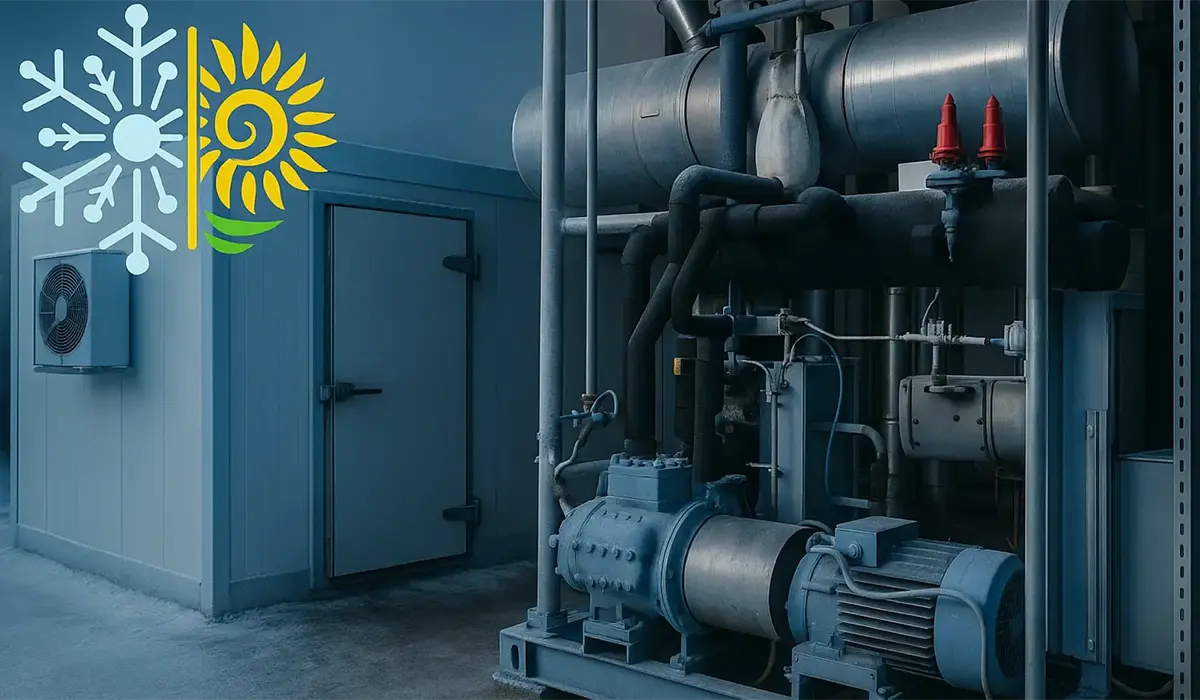
The service pages explain where problems usually appear, which type of service or maintenance is justified and how controls, monitoring and upgrades connect in real operating conditions.
Diagnosis, maintenance and intervention planning for refrigeration systems, process cooling and controlled storage.
Explore industrial refrigeration serviceDesign review, service, monitoring and maintenance for temperature-controlled rooms and storage areas.
Explore cold room servicesHVAC service, humidity control, airflow correction and maintenance for commercial and industrial buildings.
Explore HVAC servicesStructured diagnosis, preventive maintenance and corrective work for systems that must stay reliable in operation.
Explore maintenance and serviceMonitoring, alarm logic, sensors and BMS integration for clearer control and better technical decisions.
Explore automation and monitoringRequirement clarification, staged planning and practical technical guidance before execution or upgrades.
Explore technical consultingA useful HVAC-R discussion starts by separating symptoms from causes. Temperature deviation may come from airflow, controls, infiltration, refrigeration losses, wrong schedules or maintenance gaps. The first goal is not speed for its own sake, but clarity about which layer is actually unstable.
That clarity helps decide whether the next step should be service, design review, automation, monitoring or a staged upgrade. For a young company, this kind of grounded communication is more credible than oversized claims.
The current scope is relevant for industrial refrigeration, cold room operation, controlled-temperature storage, HVAC in commercial buildings, technical spaces, automation panels, BMS integration and maintenance planning.
The same project often crosses several of these areas, which is why the pages are linked internally instead of being presented as isolated services.
The English section currently points to resource hubs that support service decisions, operating logic and first-level technical understanding without duplicating the Romanian knowledge base line by line.
These short answers help frame the next technical step before an intervention, upgrade or service discussion starts.
The most useful inputs are the system type, the observed symptom, current temperature or humidity targets, alarm history, operating schedule and any recent intervention.
No. The scope also includes design review, staged upgrades, automation, preventive maintenance and technical clarification before a larger project starts.
Monitoring becomes valuable when temperatures are critical, alarms are recurrent, HACCP traceability is needed or operating costs are difficult to explain from occasional site checks alone.
Share the symptoms, target temperatures, alarms or project context and the first response can clarify whether the priority is diagnosis, maintenance, automation or staged planning.